To qualify leads effectively, assess a potential buyer’s fit and intent by analyzing their behavior, demographics, and stage in the buying journey. In B2B and B2C eCommerce, this includes evaluating engagement (e.g. email opens, site visits), purchase history, firmographics or customer personas, and readiness to buy. Using frameworks like BANT, CHAMP, or lead scoring models can help prioritize high-converting prospects. Automating this process with CRM and marketing tools streamlines qualification and shortens sales cycles.
Introduction: Why Lead Qualification Matters
In both B2B and B2C eCommerce, attracting attention is only the first step. The real challenge is turning interest into intent. That’s where effective lead qualification comes in. Simply put, to qualify leads means determining which potential buyers are most likely to become paying customers. Without this filtering process, marketing teams waste resources nurturing unfit prospects, and sales teams spend time chasing leads that never convert.
The importance of knowing how to qualify leads goes beyond operational efficiency. It directly impacts your bottom line by reducing acquisition costs, increasing conversion rates, and shortening sales cycles. For eCommerce businesses, where thousands of visitors may interact with your site daily, lead qualification provides a structured approach to segmenting serious buyers from casual browsers.
In B2B eCommerce, the stakes are even higher. Sales cycles are longer, purchase decisions are complex, and multiple stakeholders are often involved. On the B2C side, quick buying decisions require instant identification of high-intent behavior, such as repeated site visits or abandoned carts with high-value items.
Whether you’re selling enterprise software or luxury apparel, learning how to qualify sales leads effectively ensures you’re focusing on the right prospects, at the right time, with the right message.
Understanding the Types of Leads
Before you can qualify leads effectively, it’s essential to understand the different types of leads in your sales funnel. Each type reflects a stage in the buyer’s journey and requires a distinct approach to qualification.
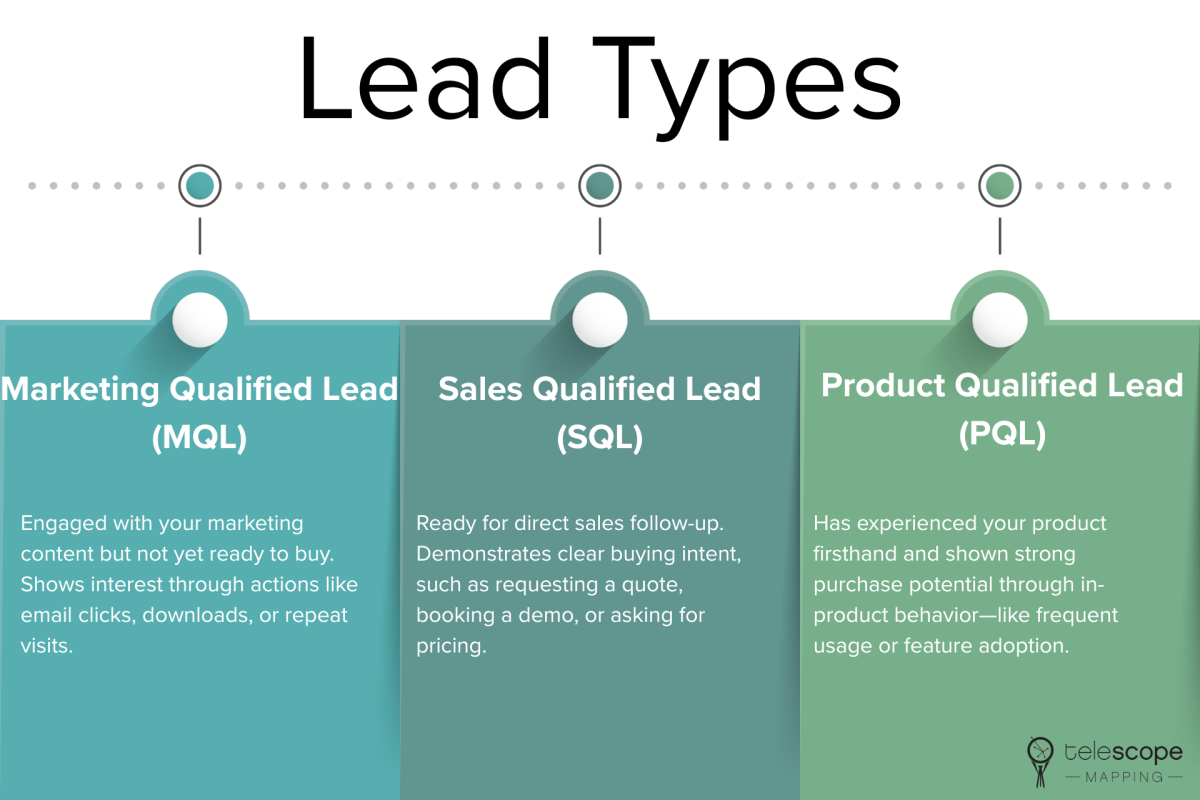
Marketing Qualified Leads (MQLs) are prospects who have shown interest in your brand through actions like downloading a guide, subscribing to a newsletter, or visiting key pages on your site. These leads have engaged with your content but are not yet ready for direct sales outreach.
Sales Qualified Leads (SQLs) have moved beyond the awareness stage. They’ve taken actions that signal purchase intent, such as requesting a quote or booking a demo. These leads are ready for one-on-one engagement from your sales team.
Product Qualified Leads (PQLs) are specific to SaaS and eCommerce businesses offering free trials or sample experiences. These leads have used your product and demonstrated behavior that indicates strong buying intent, such as repeated logins or usage of premium features.
In eCommerce, leads can also be categorized as cold, warm, or hot. Cold leads are those who have minimal interaction with your brand. Warm leads have shown some interest but may need nurturing. Hot leads are highly engaged and show signs of being purchase-ready.
Classifying leads into these categories allows businesses to focus efforts on the highest-potential opportunities. It also ensures your marketing and sales teams speak the same language when prioritizing follow-up actions.
In the next section, we’ll examine the key criteria used to qualify sales leads across both B2B and B2C eCommerce.
Key Criteria to Qualify Sales Leads
Qualifying a lead is about more than gut instinct or basic demographics. It involves evaluating multiple factors that determine how well a prospect aligns with your ideal customer profile and how likely they are to convert. Both B2B and B2C eCommerce companies benefit from applying structured criteria to streamline this process.
The first criterion is fit. In B2B, this might involve company size, industry, location, or tech stack compatibility. In B2C, it often comes down to customer persona alignment. This includes age, lifestyle, income level, or purchasing habits. If a lead doesn’t match your target profile, they’re unlikely to buy, no matter how engaged they seem.
Next is interest. This is measured through behavior like product page views, time spent on site, email engagement, and ad interactions. For example, a lead who opens multiple emails and visits your pricing page shows stronger interest than one who only clicked a single ad.
Intent is one of the most telling indicators. It includes actions such as adding products to a cart, starting a checkout process, or requesting a demo. High-intent behavior signals that a lead is actively considering a purchase decision.
Timing also plays a role. Some leads may be interested but not ready to buy, especially in B2B contexts where purchasing cycles can span weeks or months. Identifying where the lead is in their decision-making process helps determine the appropriate next steps, like whether that’s nurturing, following up, or handing off to sales.
Combining these criteria into a lead scoring system allows you to prioritize follow-ups and focus on the leads that are most likely to generate revenue. The more data points you have, the more accurate and efficient your qualification process becomes.
Next, we’ll break down proven frameworks that help structure these criteria for repeatable success.
Lead Qualification Frameworks for B2B and B2C
To bring consistency and clarity to your lead qualification process, many organizations adopt structured frameworks. These models help teams assess leads systematically, using a set of shared criteria that align with sales objectives. The right framework depends on your business model, sales cycle, and product complexity.
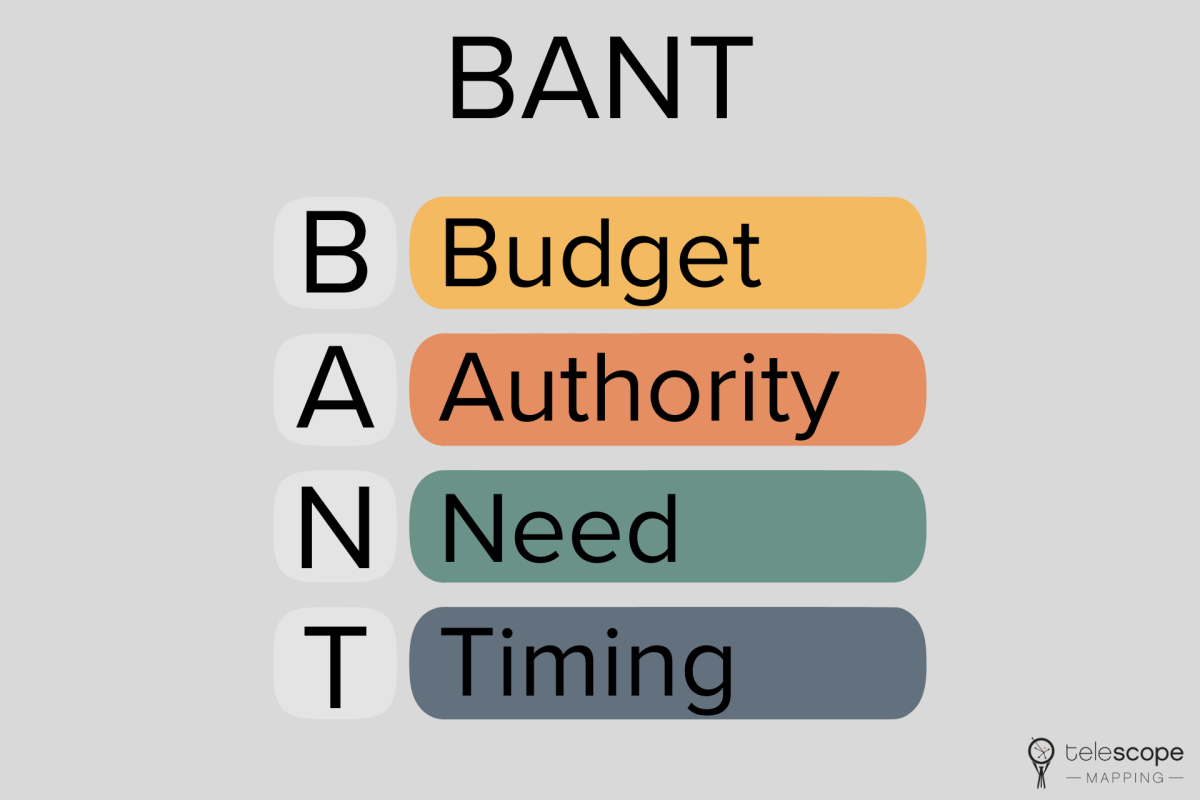
One of the most widely used frameworks in B2B is BANT, which stands for Budget, Authority, Need, and Timing. This model evaluates whether the lead has the budget to purchase, decision-making authority, a defined need for your solution, and a timeline for making a decision. BANT works well for higher-ticket items and longer sales cycles.
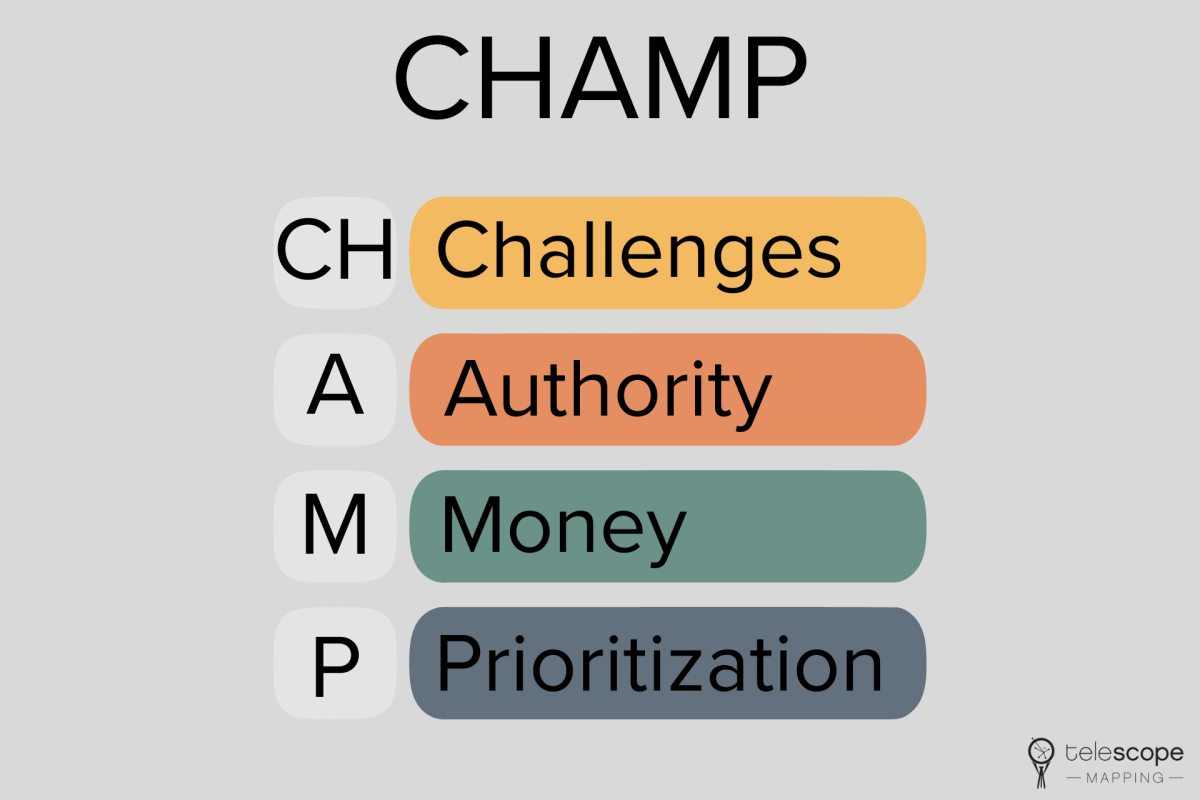
CHAMP is a modern alternative that puts more emphasis on the lead’s challenges. It stands for Challenges, Authority, Money, and Prioritization. By focusing on the problem first, this framework aligns well with solution-oriented sales strategies and consultative selling approaches.
For more complex B2B sales environments, especially in software and enterprise solutions, the GPCTBA/C&I model is often used. It assesses Goals, Plans, Challenges, Timeline, Budget, Authority, Consequences, and Implications. This level of detail helps qualify leads with multiple stakeholders and longer decision paths.
In B2C eCommerce, the process tends to be more behavior-driven and immediate. Instead of frameworks like BANT, businesses focus on signals such as frequency of site visits, cart activity, product preferences, and urgency indicators. A shopper who visits a product page multiple times, adds an item to their cart, and returns within 24 hours is demonstrating clear buying intent.
Whether you’re working with B2B buyers or online consumers, frameworks bring discipline to lead qualification. They also help align marketing and sales teams around a shared understanding of what defines a high-quality lead.
Up next, we’ll look at the tools and technologies that help automate and scale the qualification process.
Tools and Technology to Streamline Qualification
Effective lead qualification relies on more than strategy, it also requires the right tools to execute consistently and at scale. For both B2B and B2C eCommerce businesses, technology plays a central role in gathering data, scoring leads, and automating next steps.
CRM platforms like HubSpot, Salesforce, and Zoho CRM serve as the foundation for most B2B lead qualification workflows. These systems track engagement across touchpoints, store detailed contact records, and allow teams to apply scoring models or trigger automated actions based on lead behavior.
Marketing automation tools add another layer of efficiency. Platforms such as ActiveCampaign, Klaviyo, and Mailchimp use behavioral data to segment and qualify leads in real time. For example, a user who clicks through a product email and browses multiple SKUs may be moved into a high-intent segment and routed to a retargeting campaign or personalized follow-up.
For advanced operations, AI-powered tools like MadKudu, 6sense, and Clearbit Predict offer predictive lead scoring. These platforms analyze historical data to forecast which leads are most likely to convert, allowing sales and marketing teams to focus on high-probability opportunities.
In B2C environments, tools that track user behavior—such as Hotjar, Google Analytics, and customer data platforms like Segment—can help identify micro-conversions and intent signals. On-site chatbots and conversational forms can also ask qualifying questions in real time, helping capture key details without creating friction.
By integrating these tools into your workflow, you can eliminate manual guesswork, shorten response times, and ensure consistent lead evaluation. This improves conversion rates and helps teams focus their energy where it matters most.
Next, we’ll explore how lead qualification strategies differ between B2B and B2C eCommerce models.
B2B vs B2C Lead Qualification Tactics
While the goal of lead qualification (identifying high-potential buyers) is the same in B2B and B2C, the methods used in each model differ significantly due to differences in buyer behavior, purchase cycles, and decision-making processes.
In B2B eCommerce, the lead qualification process is more complex and typically involves multiple stakeholders. A single lead may represent a team or department, and purchasing decisions often require budget approvals, technical reviews, and strategic alignment. Qualification focuses on elements like company size, job title, existing tech stack, and the lead’s role in the buying process. Sales teams rely heavily on CRM data, lead scoring frameworks, and direct outreach to verify fit and intent.
B2C eCommerce operates on shorter buying cycles with more individual decision-making. Qualification is based primarily on behavioral data collected across digital touchpoints. This includes browsing patterns, repeat visits, cart activity, email engagement, and on-site behavior. Tools like recommendation engines and dynamic retargeting help identify and convert high-intent users quickly.
Timing also plays a different role. In B2B, a lead might be qualified but not ready to buy for weeks or even months. In B2C, timing is immediate. If a user leaves an item in their cart, the opportunity to convert may last only hours. This makes real-time qualification and automation especially critical for consumer-facing brands.
Messaging and follow-up strategies vary as well. B2B teams often use personalized emails, calls, and demo requests as part of the qualification journey. B2C strategies are more scalable, using abandoned cart emails, SMS campaigns, and AI-driven product suggestions to re-engage leads.
Understanding these differences helps businesses tailor their qualification approach to the specific needs of their audience. Both models benefit from data-driven tools and clear processes, but the tactics must reflect the unique dynamics of the customer journey.
In the next section, we’ll review common mistakes that hinder effective lead qualification and how to avoid them.
Common Mistakes to Avoid
Even with a solid strategy in place, many businesses struggle with lead qualification due to avoidable mistakes. These errors can result in missed opportunities, wasted resources, and misalignment between marketing and sales.
One of the most common issues is relying on assumptions rather than data. Teams may label a lead as high quality based on superficial indicators like job title or email engagement, without verifying true intent or fit. Effective qualification requires a deeper look at behavioral signals, firmographics, and readiness to buy.
Another frequent mistake is ignoring post-lead behavior. A lead who initially engaged with a campaign may later show signs of disengagement, such as dropping off the site or unsubscribing from emails. Failing to continuously evaluate and score leads based on up-to-date activity can lead to inaccurate prioritization.
Overqualification can be just as damaging. Applying overly strict criteria may cause your team to miss out on leads with real potential, especially in B2C where buying decisions can happen quickly and impulsively. The goal is not to eliminate all uncertainty, but to focus on the highest probability opportunities.
Lack of alignment between marketing and sales is another critical barrier. When these teams define lead quality differently or operate in silos, promising leads can fall through the cracks. Clear service level agreements (SLAs) and shared qualification criteria are essential for a smooth handoff and consistent follow-up.
Lastly, many businesses fail to revisit their qualification process regularly. Markets shift, buyer behavior evolves, and what worked last quarter may no longer be effective. Reviewing your lead scoring model and qualification criteria on a regular basis ensures you’re adapting to change and staying competitive.
In the next section, we’ll cover best practices for improving your lead qualification strategy across both B2B and B2C environments.
Best Practices for Improving Lead Qualification
Improving lead qualification requires a balance of strategy, technology, and continuous iteration. Whether you’re running a B2B or B2C eCommerce business, implementing these best practices will help you identify high-value prospects more efficiently and convert them into paying customers.
Start by defining clear ideal customer profiles (ICPs). For B2B, this includes industry, company size, buyer role, and pain points. For B2C, focus on demographic and behavioral traits like age, income level, shopping habits, and preferred channels. A well-defined ICP sets the foundation for more accurate lead scoring and segmentation.
Use intent data to measure engagement and buying signals. Monitor actions such as email opens, pricing page views, and time spent on high-value pages. In B2C, tools that track product interactions, cart behavior, and browsing frequency can help determine readiness to purchase.
Align marketing and sales teams with a shared qualification framework. Establish criteria for when a lead becomes sales-ready and ensure both teams understand their role in the process. Clear communication and regular feedback loops between departments improve lead handoffs and follow-through.
Implement lead scoring models that combine fit and behavior. Assign point values to different actions and attributes to prioritize leads that are most likely to convert. Update these models regularly based on real sales outcomes and feedback from your team.
Invest in automation to qualify leads at scale. Use CRM workflows, chatbot sequences, and email automation tools to capture qualifying information, trigger follow-ups, and route leads to the appropriate teams without delay. Automation helps eliminate manual errors and speeds up the sales process.
Finally, review your qualification process regularly. Analyze win rates, conversion timelines, and sales feedback to refine your criteria and improve targeting. What qualifies as a strong lead today may shift as your product offering or market evolves.
Next, we’ll answer common questions about lead qualification to address key concerns and help reinforce your strategy.
FAQs: How Do You Qualify Leads in eCommerce?
What is the difference between an MQL and an SQL?
An MQL, or Marketing Qualified Lead, is a prospect who has shown interest through marketing channels but is not yet ready for direct sales engagement.
An SQL, or Sales Qualified Lead, has demonstrated enough intent and fit to be passed to the sales team for follow-up. The transition from MQL to SQL
typically depends on predefined criteria like lead score, behavioral signals, and demographic match.
How do I know if a lead is sales-ready?
A lead is considered sales-ready when they meet your defined criteria for both fit and intent. This could include visiting key pages, requesting pricing
information, engaging with emails, or reaching out for a demo. In B2C, cart activity, product page views, and return visits often indicate sales readiness.
In B2B, it may involve meeting with a rep or showing urgency to solve a business problem.
What tools help qualify leads automatically?
CRM systems like HubSpot and Salesforce, marketing automation platforms like ActiveCampaign and Klaviyo, and intent data tools like Clearbit or 6sense
can help qualify leads at scale. These tools track behavior, apply lead scoring models, and automate workflows based on user activity and profile data.
How often should I update my lead qualification criteria?
Review your qualification criteria at least once per quarter or whenever there are significant changes to your product, market, or customer behavior.
Regular audits help ensure your lead scoring model remains accurate and aligned with actual conversion patterns.
Is lead scoring necessary for small eCommerce stores?
Yes, even small stores benefit from basic lead scoring. While you may not need enterprise-level tools, simple criteria like page views, cart additions,
and email interactions can help prioritize follow-ups and improve conversion rates. Starting with a lightweight scoring model can provide clarity and
scale as your business grows.
Conclusion: Turning Qualified Leads Into Revenue
Qualifying leads effectively is one of the most critical steps in building a high-performing sales and marketing engine. Whether you’re operating in B2B or B2C eCommerce, the ability to identify serious buyers early allows you to focus resources, personalize engagement, and accelerate conversions.
By understanding lead types, applying structured qualification criteria, leveraging the right frameworks, and using automation tools, you create a scalable system that drives predictable growth. Avoiding common mistakes and aligning your teams ensures that qualified leads don’t fall through the cracks. Regularly reviewing your process keeps your strategy responsive to changes in buyer behavior and market dynamics.
At the core of successful lead qualification is a simple principle: not every lead deserves equal attention. The better you are at identifying who’s ready to buy, the more efficiently you can guide them toward a purchase.
Want to convert more qualified leads into loyal customers? Let’s talk about how our tailored lead qualification strategies can streamline your funnel and increase conversions. Contact us today to get started.