


SERP feature optimization is the process of enhancing web content and technical elements to capture prominent search result features like Featured Snippets, People Also Ask (PAA) boxes, and Rich Results. Effective optimization involves structured data implementation with schema markup, content formatting for featured snippet strategy, and addressing user intent to improve PAA optimization. By aligning on-page SEO, semantic structure, and technical markup, businesses can increase visibility, click-through rates, and overall search performance.
Why SERP Features Matter in 2025
The traditional “10 blue links” search page is now dominated by rich, interactive results. Features like Featured Snippets, People Also Ask (PAA) boxes, and Rich Results have transformed how users discover and evaluate information online. These features are designed to deliver answers instantly, often without requiring a click, which means competition for visibility has shifted to new, AI-enhanced search spaces.
For digital marketers and SEO professionals, SERP feature optimization is now a central part of a winning strategy. It combines content clarity, structured data, and semantic SEO to ensure your brand appears in the formats that matter most. By targeting these enhanced results, you position your business at the forefront of how users engage with modern search.
What Are SERP Features? (Definitions and Key Entities)
SERP features are enhanced search elements designed to improve how users consume information. They go beyond traditional listings by displaying visuals, summaries, and interactive data directly in the search results.
Common SERP features include Featured Snippets, which provide direct text answers; People Also Ask (PAA) boxes, which reveal related questions; and Rich Results, which display ratings, product details, or images. Other examples include Knowledge Panels and Carousels, which present entity-based summaries about businesses or people.
Optimizing for these features requires understanding how Google’s Knowledge Graph and natural language processing (NLP) interpret your content. By structuring your data and language for clarity, you help search engines match your content with relevant search intents.
The Business Value of SERP Feature Optimization
Ranking in SERP features provides unparalleled visibility. When your content appears in a Featured Snippet or PAA box, it often sits above the first organic result, giving you a powerful edge in search exposure.
This visibility doesn’t just drive clicks, it builds trust. Appearing in a SERP feature signals authority, showing that Google recognizes your content as highly relevant and accurate. Over time, this improves brand credibility, organic performance, and even voice search visibility.
In a world where users increasingly rely on instant answers, SERP feature optimization ensures your brand remains the source they turn to. It’s not just about ranking, it’s about being the definitive answer.

Featured Snippets: The Gateway to Position Zero
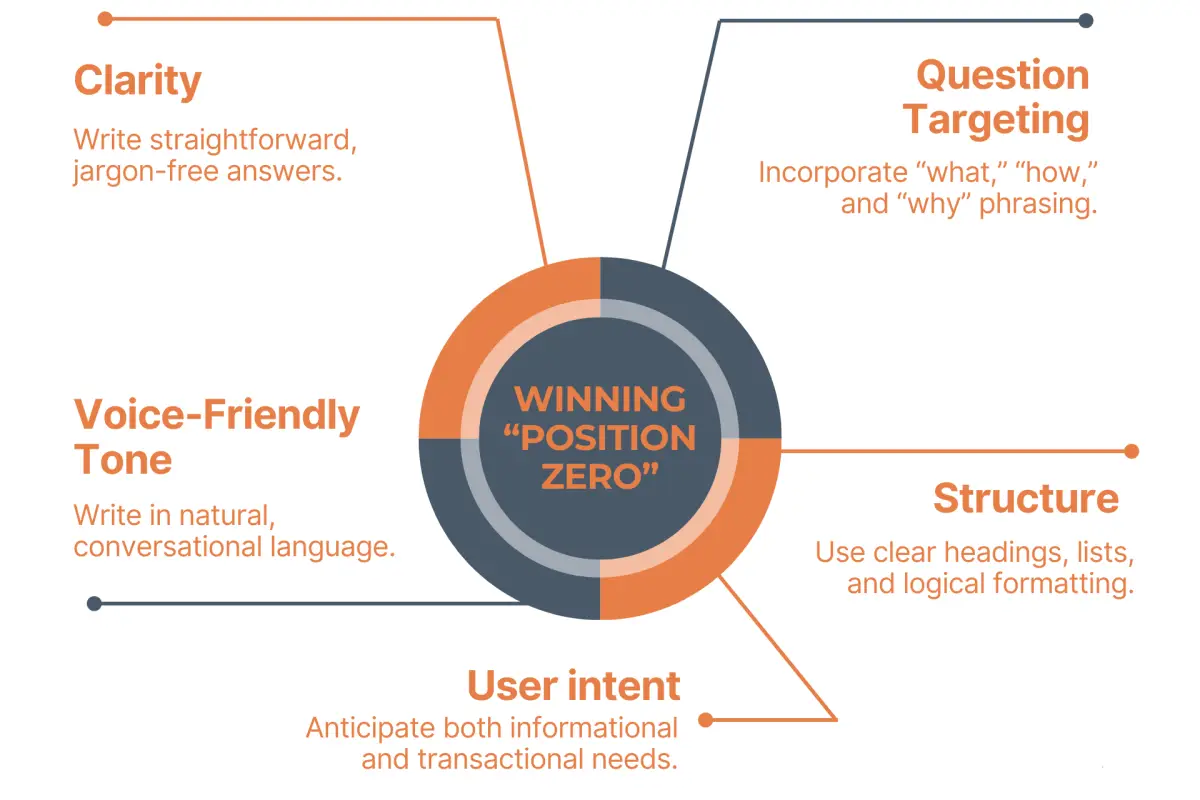
Featured Snippets occupy what SEO experts call “Position Zero”, the prime location above all other organic listings. These snippets deliver quick, direct answers that address the user’s query within seconds.
The most common types are paragraph snippets for definitions and explanations, list snippets for how-to or ranking content, and table snippets for data comparisons. Each serves a different search intent, and structuring your content accordingly helps target them effectively.
A strong featured snippet strategy begins with clarity. Write concise, answer-focused introductions to common questions and use descriptive subheadings throughout your page. Keep your formatting simple, use short paragraphs, and position key answers high on the page.
Tools like Semrush and Ahrefs can reveal which queries already generate snippets and where your content has the potential to replace competitors. Winning Position Zero is a combination of structure, precision, and ongoing refinement.
People Also Ask (PAA) Optimization
The People Also Ask feature provides users with an expandable list of related questions. It reflects how people explore topics in layers, uncovering deeper intent with every click. For content creators, PAA boxes offer opportunities to capture attention multiple times within a single search journey.
Effective PAA optimization begins with understanding how users phrase their questions. Tools like AnswerThePublic and AlsoAsked help uncover the most frequent and semantically related queries in your niche. Incorporating these questions naturally within your content makes it easier for Google to feature your page in these interactive boxes.
Using FAQ schema markup can amplify this effect. Structured data signals to search engines that your page contains well-formatted Q&A sections, improving your odds of appearing in both PAA and FAQ-rich results.
Rich Results and Schema Markup
Rich Results, often referred to as rich snippets, visually enhance your search listings by displaying data such as star ratings, prices, and images. These elements make your results more noticeable and trustworthy, directly influencing click-through rates.
At the heart of Rich Results lies schema markup, a structured data format that tells Google exactly what your page represents. Implementing schema in JSON-LD format is the most reliable method. It helps search engines interpret the relationships between your content and entities, improving the likelihood of enhanced display features.
Adding schema for product details, reviews, or FAQs transforms your plain result into a compelling visual entry. Validation through Google’s Rich Results Test ensures your code functions properly, protecting your eligibility for rich snippets SEO.
Measuring SERP Feature Success
Tracking your progress is crucial for refining strategy. Tools like Google Search Console reveal performance data for impressions and clicks generated from rich results. Semrush, Ahrefs, and Rank Ranger also provide SERP feature tracking, helping you see where you own visibility across snippets and PAAs.
The goal isn’t just to appear in features, it’s to maintain consistency and growth. Analyze which formats bring the most engagement and adapt your content accordingly.
Continuous tracking allows you to identify trends and replicate success across other pages, ensuring your SERP feature optimization efforts translate into long-term search dominance.
Best Practices for Semantic SEO and Content Structuring
The foundation of effective SERP optimization is semantic SEO, an approach that prioritizes meaning and relationships over simple keyword repetition. Instead of chasing search volume, semantic SEO focuses on aligning content with user intent and the entities Google associates with your topic.
Start by creating content that connects related ideas naturally. Use clear, descriptive headers and internal links to build topical depth. Maintain a logical content hierarchy with short, digestible paragraphs that make extraction easier for search algorithms.
When combined with schema markup, this structure signals to Google that your site offers contextually rich, authoritative information. The better your semantic clarity, the higher your likelihood of appearing in AI overviews and advanced SERP features.
Common Mistakes to Avoid in SERP Feature Optimization
Many marketers overlook the technical side of optimization, missing out on valuable opportunities. One common mistake is neglecting structured data or implementing invalid schema. Without it, Google struggles to understand your content context, limiting your visibility in rich results.
Another pitfall is over-optimizing keywords without addressing intent. Long, unfocused paragraphs or missing answer summaries can prevent Google from selecting your content for snippets. Similarly, ignoring mobile optimization can reduce eligibility, since most searches now happen on mobile devices.
The most effective approach balances clarity, structure, and technical precision. Avoiding these errors ensures your SERP feature optimization efforts remain strong and sustainable, helping your site maintain high visibility as search continues to evolve.
FAQs About SERP Features and Schema
What is the best way to appear in a Featured Snippet?
Answer the question clearly and concisely near the start of your page. Use question-based headings and short, direct responses that Google can easily extract.
How does schema markup help with rich results?
Schema markup provides structured metadata that allows Google to understand your content type and enhance your listing with visuals, ratings, or other key details.
Can one page appear in multiple SERP features?
Yes. A single page can simultaneously appear in Featured Snippets, People Also Ask boxes, and Rich Results if optimized properly.
What tools identify SERP feature opportunities?
Tools like Semrush, Ahrefs, and AlsoAsked analyze keyword rankings and reveal where SERP features exist, helping you find gaps and opportunities.
Is SERP feature optimization part of semantic SEO?
Yes. Both share the goal of improving visibility through meaning, intent, and structured relationships rather than isolated keywords.
Conclusion
Search success today isn’t just about ranking on the first page, it’s about earning visibility in the spaces that users actually engage with. SERP feature optimization empowers brands to do exactly that by blending content clarity, PAA optimization, featured snippet strategy, and schema markup into one unified approach.
When your content aligns with how Google interprets intent, you don’t just appear, you lead.