Cross-channel marketing unifies SEO, PPC, and social media strategies to create a seamless customer journey across multiple touchpoints. By aligning messaging, data, and attribution models, businesses can maximize ROI, reduce wasted ad spend, and improve campaign efficiency. Integrating channels enables stronger brand visibility, smarter audience targeting, and measurable revenue impact through cohesive analytics.
Introduction: Why Cross-Channel Marketing Matters
Today’s consumers move fluidly between search engines, social platforms, and paid ads before making a purchase. Traditional, siloed marketing approaches can’t keep up with this journey. Cross-channel marketing solves that challenge by aligning SEO, PPC, and social media into one unified strategy.
When these channels work together, brands deliver consistent messaging, capture audience attention across multiple touchpoints, and maximize ROI. The result is greater visibility, stronger engagement, and smarter use of marketing data.
What Is Cross-Channel Marketing?
Cross-channel marketing is the integration of multiple marketing channels, including SEO, PPC, and social media, to create a cohesive customer experience.Unlike multichannel marketing, which treats each platform separately, cross-channel strategies connect data and messaging to guide users seamlessly from awareness to conversion.
By sharing insights between channels, brands can improve targeting, refine content, and optimize performance. This unified approach not only increases conversions but also strengthens long-term customer relationships through consistent, data-driven engagement.
The Importance of Integration Across SEO, PPC, and Social Media
Each digital channel plays a unique role in reaching and converting audiences. SEO builds long-term visibility through organic search, PPC drives immediate traffic with targeted ads, and social media fosters engagement and brand trust. When these channels operate together, they amplify one another’s impact.
Integration ensures that messaging, targeting, and analytics work in harmony. Insights from SEO can guide PPC keyword bidding; social engagement data can refine audience targeting; and paid campaigns can reinforce high-performing organic content. This alignment strengthens brand consistency, reduces wasted ad spend, and delivers a clearer view of which efforts truly drive ROI.
Creating SEO + PPC Synergy
The relationship between SEO and PPC is the backbone of effective cross-channel marketing. Both revolve around search intent, but when strategically aligned, they create a feedback loop that improves performance across campaigns.
Use PPC data to identify high-converting keywords and apply those insights to SEO content strategies. Similarly, analyze organic search performance to refine ad copy and improve Quality Scores. When a page ranks well organically, you can adjust paid budgets toward emerging opportunities, improving cost efficiency.
SEO and PPC synergy delivers both short-term results and long-term growth, ensuring visibility at every stage of the buyer’s journey while maximizing return on every marketing dollar.
Social Media Integration in a Unified Marketing Strategy
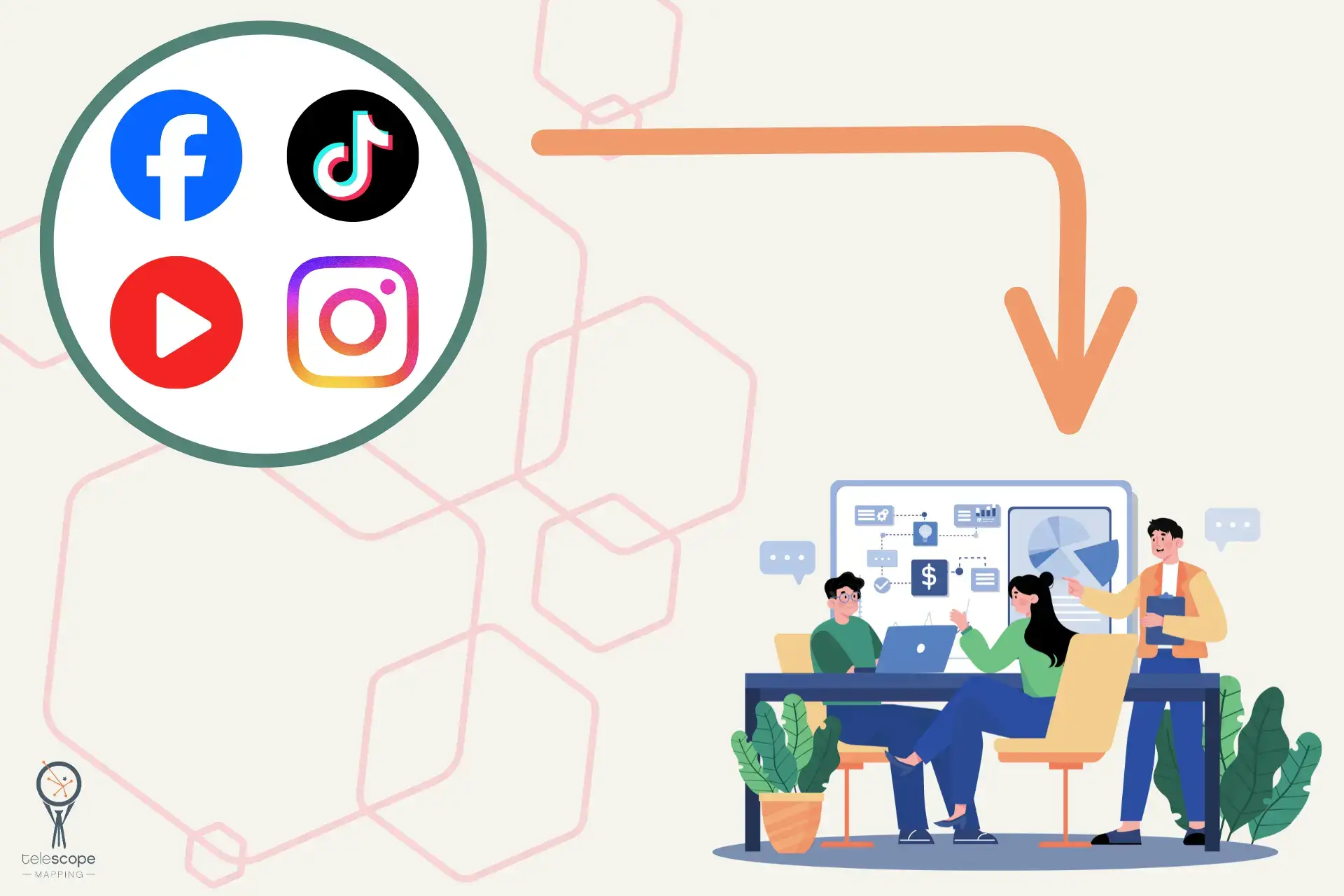
Social media has evolved from a brand awareness tool into a powerful driver of engagement and conversion. Integrating social media marketing with SEO and PPC creates a continuous feedback loop where content, data, and audience insights reinforce one another.
Social channels provide real-time data on audience behavior. These insights can inform SEO content strategies and PPC targeting, helping brands refine messaging and identify new keyword or demographic opportunities. Additionally, social ads can retarget visitors who engaged through organic or paid search, keeping your brand top-of-mind throughout the buyer’s journey.
By aligning social campaigns with search strategies, businesses build a unified marketing strategy that enhances visibility, strengthens trust, and increases the likelihood of conversion across every touchpoint.
Building a Unified Marketing Strategy
A unified marketing strategy connects all channels under one consistent vision. Rather than running isolated campaigns, it ensures that SEO, PPC, and social teams work toward shared goals supported by shared data.
Start by aligning brand messaging and visuals across every platform. Use centralized analytics tools like Google Marketing Platform or HubSpot to track cross-channel performance and eliminate data silos. Marketing automation can further streamline workflows, allowing teams to react quickly to performance trends and audience behavior.
When messaging, analytics, and execution operate together, brands deliver more personalized and cohesive experiences. The outcome is greater efficiency, higher engagement, and a measurable lift in ROI across all digital channels.
Channel Attribution: Understanding What Drives ROI
One of the biggest challenges in cross-channel marketing is knowing which efforts truly drive conversions. Channel attribution helps solve this by identifying how different touchpoints, such as SEO, PPC, and social media, contribute to the customer journey.
Traditional models like first-touch or last-click attribution give all the credit to one interaction, but that often overlooks the influence of other channels. Modern approaches, such as multi-touch attribution (MTA) or data-driven attribution (DDA), distribute credit across multiple interactions, providing a more accurate picture of performance.
Using platforms like Google Analytics 4 or Adobe Analytics, marketers can visualize the complete conversion path. These insights reveal which combinations of channels deliver the highest ROI, guiding smarter budget allocation and more informed strategic decisions.
How to Measure Success Across Channels
Measuring success in cross-channel marketing requires a blend of performance metrics and behavioral insights. The goal is to understand not just what converts, but why it converts.
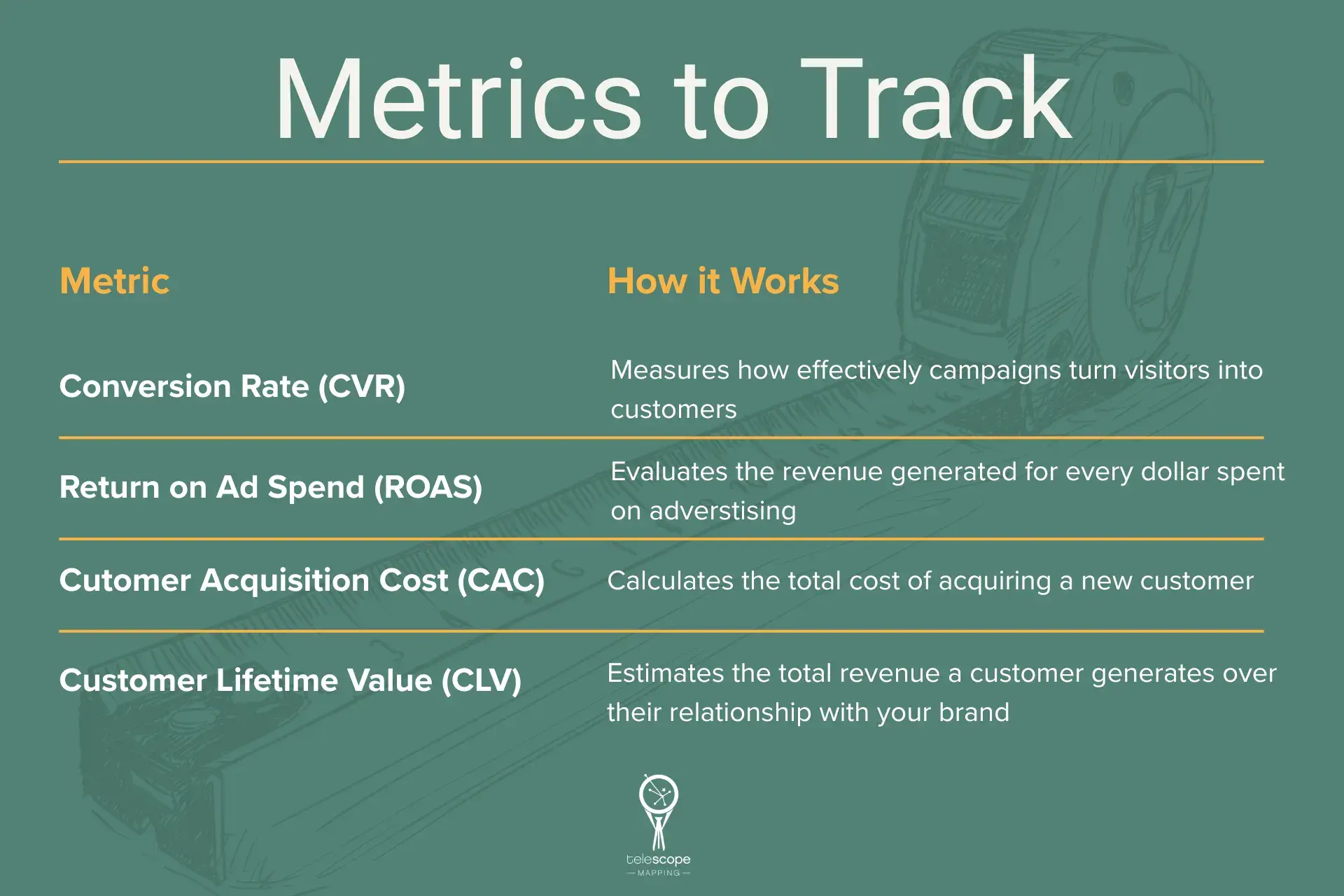
Tracking these metrics across SEO, PPC, and social media provides a holistic view of overall campaign effectiveness.
Beyond surface-level metrics, consider engagement rates, time on site, and assisted conversions to assess how channels support one another. Centralized dashboards or marketing automation tools can unify this data, helping teams optimize in real time.
By continuously measuring and comparing results across channels, businesses can identify which strategies drive the most value and refine their campaigns to maximize ROI.
Common Mistakes in Cross-Channel Campaigns
While cross-channel marketing delivers powerful results, many businesses struggle to execute it effectively. Common pitfalls include:
- Siloed teams and data that prevent shared insights between SEO, PPC, and social media.
- Inconsistent messaging, where each channel presents a different tone or offer.
- Poor attribution modeling, leading to inaccurate ROI measurement.
- Overlapping budgets that cause unnecessary spend on duplicate audiences.
- Neglecting post-conversion engagement, missing opportunities to build loyalty and repeat sales.
Avoiding these mistakes starts with communication and shared accountability. When marketing teams operate collaboratively, guided by unified goals and centralized data, campaigns become more efficient, customer experiences improve, and long-term ROI grows steadily.
Future Trends: AI, Automation, and Predictive Targeting
As marketing technology evolves, AI and automation are transforming how cross-channel campaigns are managed and optimized. Machine learning now powers smarter bidding in PPC, predictive analytics in SEO, and automated audience targeting in social media. These tools allow marketers to analyze data at scale and make real-time adjustments that maximize performance across every channel.
Predictive targeting helps identify users most likely to convert, while AI-driven analytics reveal which combinations of SEO, PPC, and social deliver the highest ROI. Platforms like Google’s Performance Max and Meta’s Advantage+ use these capabilities to simplify campaign management and improve efficiency.
Looking ahead, first-party data strategies will play a vital role as privacy regulations tighten. Brands that integrate automation with strong data governance will stay competitive, delivering relevant, personalized experiences while maintaining user trust.
FAQs
What is cross-channel marketing?
Cross-channel marketing connects multiple channels – like SEO, PPC, and social media – into a unified strategy that delivers consistent messaging and a smoother customer journey.
How does cross-channel marketing improve ROI?
It improves efficiency by aligning campaigns, sharing data across platforms, and reducing wasted spend on disconnected efforts.
What’s the difference between multichannel and cross-channel marketing?
Multichannel marketing uses several platforms independently, while cross-channel marketing integrates them to create one cohesive experience.
How can businesses measure success across channels?
By tracking KPIs such as conversion rate, ROAS, CAC, and engagement metrics through centralized analytics tools.
What role does AI play in cross-channel marketing?
AI enhances targeting, automates optimization, and provides predictive insights that help marketers allocate budget and resources more effectively.
Conclusion: Turning Data into Action
Effective cross-channel marketing isn’t just about running multiple campaigns, it’s about connecting every effort through data, strategy, and consistent execution. When SEO, PPC, and social media operate as one unified system, each channel amplifies the others, creating a seamless customer journey that drives measurable growth.
The key is to act on insights, not just collect them. Use shared analytics to identify what’s working, adjust in real time, and continually refine your messaging across platforms. This proactive, data-driven approach turns marketing activity into meaningful outcomes such as stronger engagement, higher ROI, and lasting brand loyalty.